Indonesia aims to turn Batam into AI hub in Southeast Asia

A flagship project driving this ambition is Indonesia’s first AI data centre initiative led by Australia-based Firmus Technologies, in strategic partnership with US chipmaker Nvidia and Singapore’s DayOne.

Jakarta (VNA) - Indonesia is positioning Batam as a global-scale hub for artificial intelligence (AI) infrastructure, as the island industrial zone accelerates efforts to attract investment inflows for a major data centre from international technology firms, according to the Batam Indonesia Free Zone Authority (BP Batam).

A flagship project driving this ambition is Indonesia’s first AI data centre initiative led by Australia-based Firmus Technologies, in strategic partnership with US chipmaker Nvidia and Singapore’s DayOne.

Under an eight-year cooperation agreement, the consortium will develop the Nvidia DSX AI Factory in Batam with a planned capacity of 360 MW.

Scheduled to begin operations in the first quarter of 2027, the facility is expected to deploy up to 170,000 Nvidia AI accelerator chips during 2027–2028, positioning Batam as home to one of the largest planned GPU clusters in Southeast Asia. The mega project is estimated to generate procurement deals worth between 25 billion and 30 billion USD over its first six years of operation.

Vice Chairwoman of BP Batam Li Claudia Chandra said the presence of Firmus Technologies, Nvidia and DayOne reflects more than just the investment in a data centre, describing it as a strategic step to strengthen Batam’s and Indonesia’s position in the digital economic value chain as well as the global AI ecosystem.

She noted that the surge in digital technology sector highlights Batam’s competitive advantages, including its strategic location, infrastructure readiness, and supportive regulatory environment. Such multi-USD projects are expected to create multiplier effect for the local economy through generating high-skilled jobs, strengthening of the digital ecosystem, and promoting knowledge transfer./.


VNA

See more

Indonesia designates 31 mln ha of waters as conservation areas

Indonesia designates 31 mln ha of waters as conservation areas

Head of the Convention and Marine Resource Balance working team at the ministry’s Directorate of Ecosystem Conservation Ahmad Sofiullah said this week that it is a strategic effort to ensure the sustainability of Indonesia’s marine ecosystems.

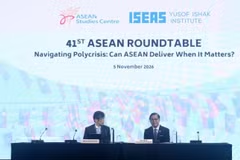
Thai Deputy Prime Minister and Minister of Foreign Affairs Sihasak Phuangketkeow (R) takes part in the Q&A session at the 41st ASEAN Roundtable. (Photo: VNA)

Thailand calls on ASEAN to proactively address polycrisis

Thai Deputy Prime Minister and Minister of Foreign Affairs Sihasak Phuangketkeow noted that no single member state could tackle challenges ranging from major-power competition and economic fragmentation to climate change and energy and food security on its own. Regional cooperation is therefore a strategic imperative, enabling ASEAN not only to overcome crises but also to sustain its development momentum.

Palm oil and palm oil-based products are among Indonesia’s promising export commodities. (Photo: VNA)

Indonesia to launch commodity export monitoring platform next year

DSI will draw on data from customs authorities, trade activities and the financial system, alongside contracts and documents uploaded by exporting companies. The platform will monitor the volume, quality, prices and destination markets of various commodities, as well as transactions between related parties.

Philippines increases rice imports from Cambodia

Philippines increases rice imports from Cambodia

Cambodia has contracted to supply a further 87,344 tonnes to the Philippines between September and December. If all orders are fulfilled, its rice exports to the market could reach around 209,000 tonnes in 2026.

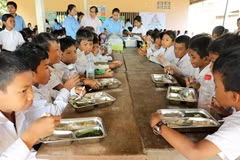
Students get free meals under the national school feeding programme at Hun Sen Svay Cek Primary School (Photo: khmertimeskh)

Cambodia expands school meal programme

Cambodian Prime Minister Hun Manet stressed that his Government would proactively allocate budget and strengthen management capacity, with the aim of expanding the school meal programme to more than 7,000 primary schools nationwide. The move is expected to improve students' nutrition and learning conditions.